
Savor the Night
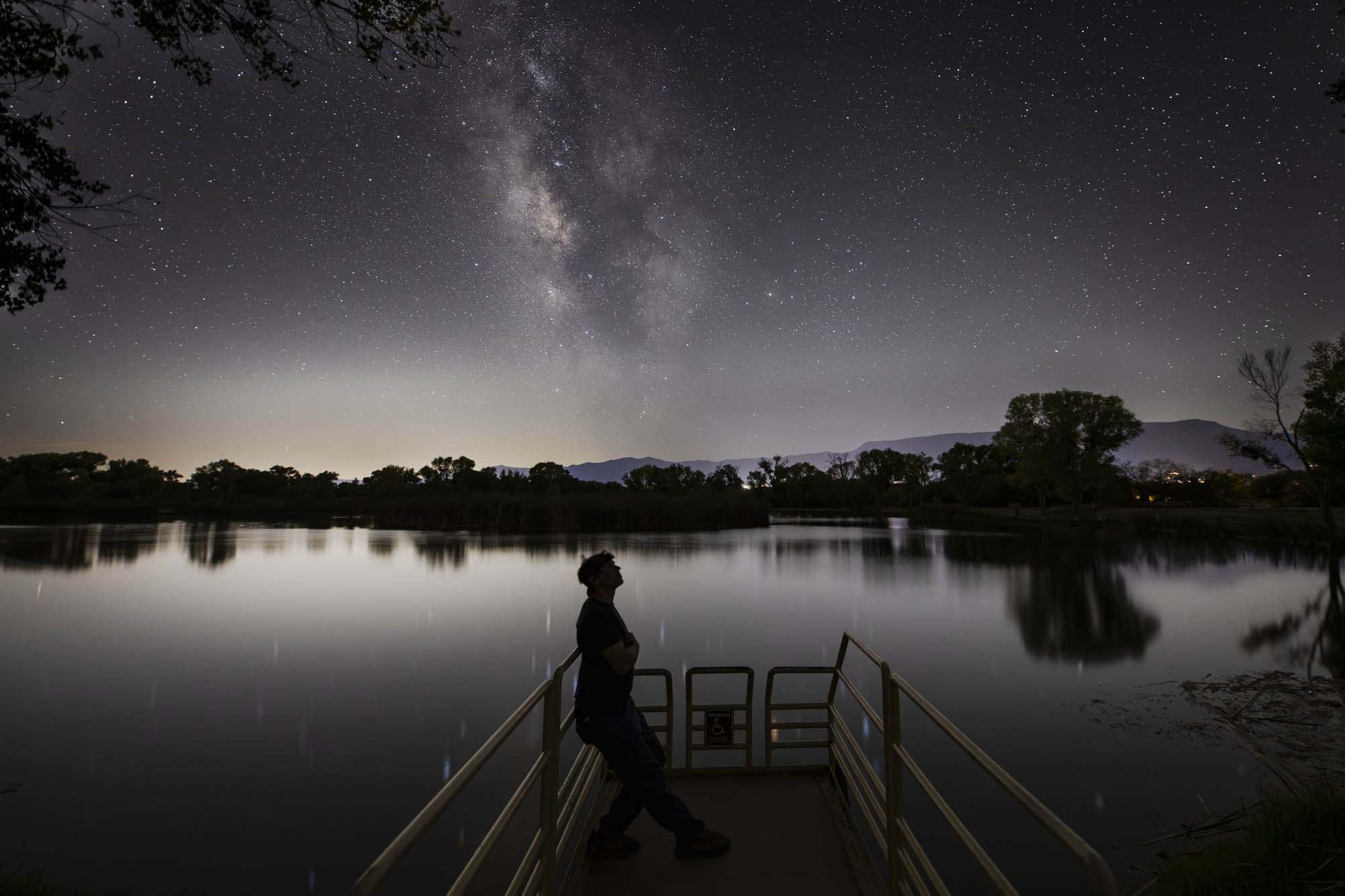
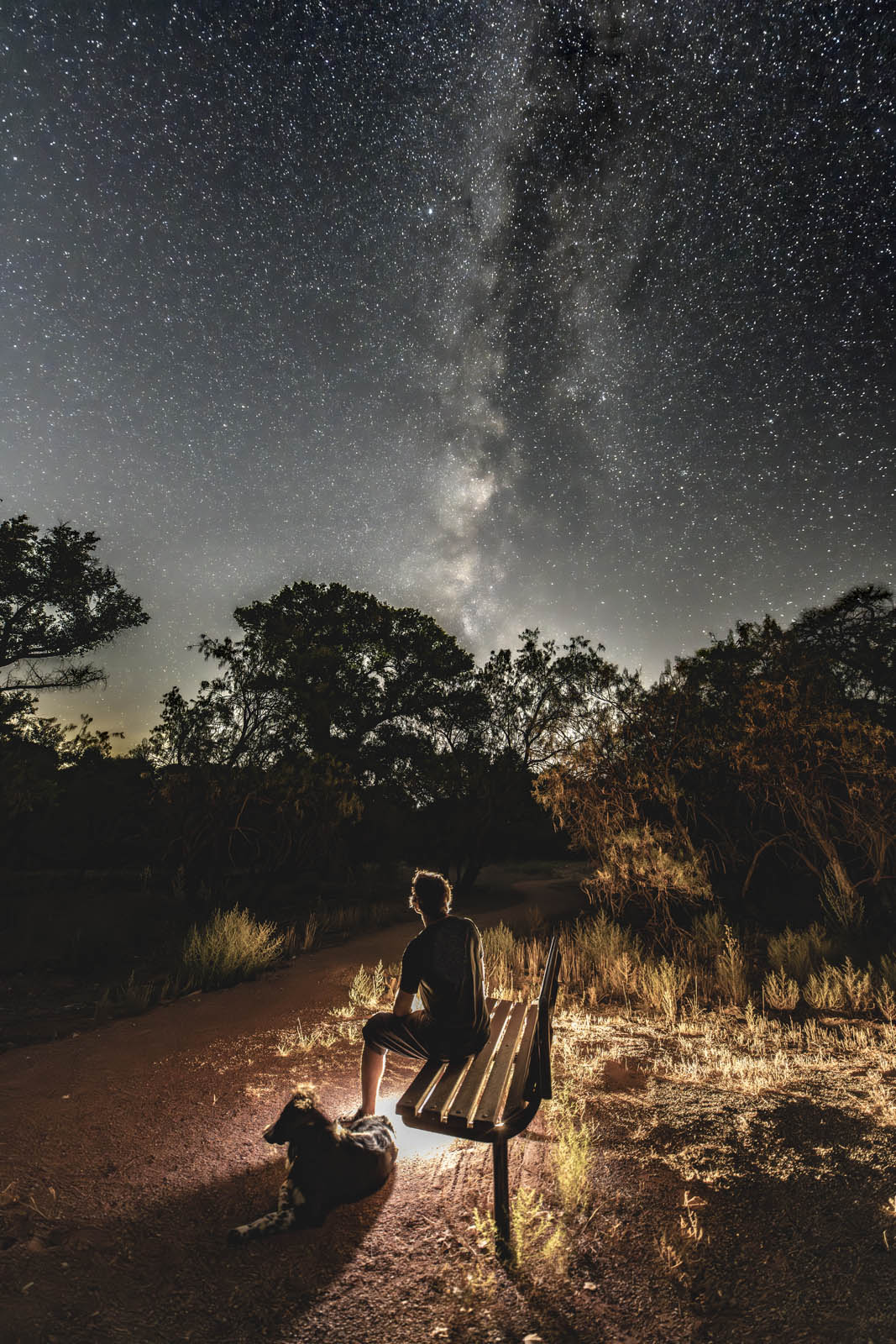
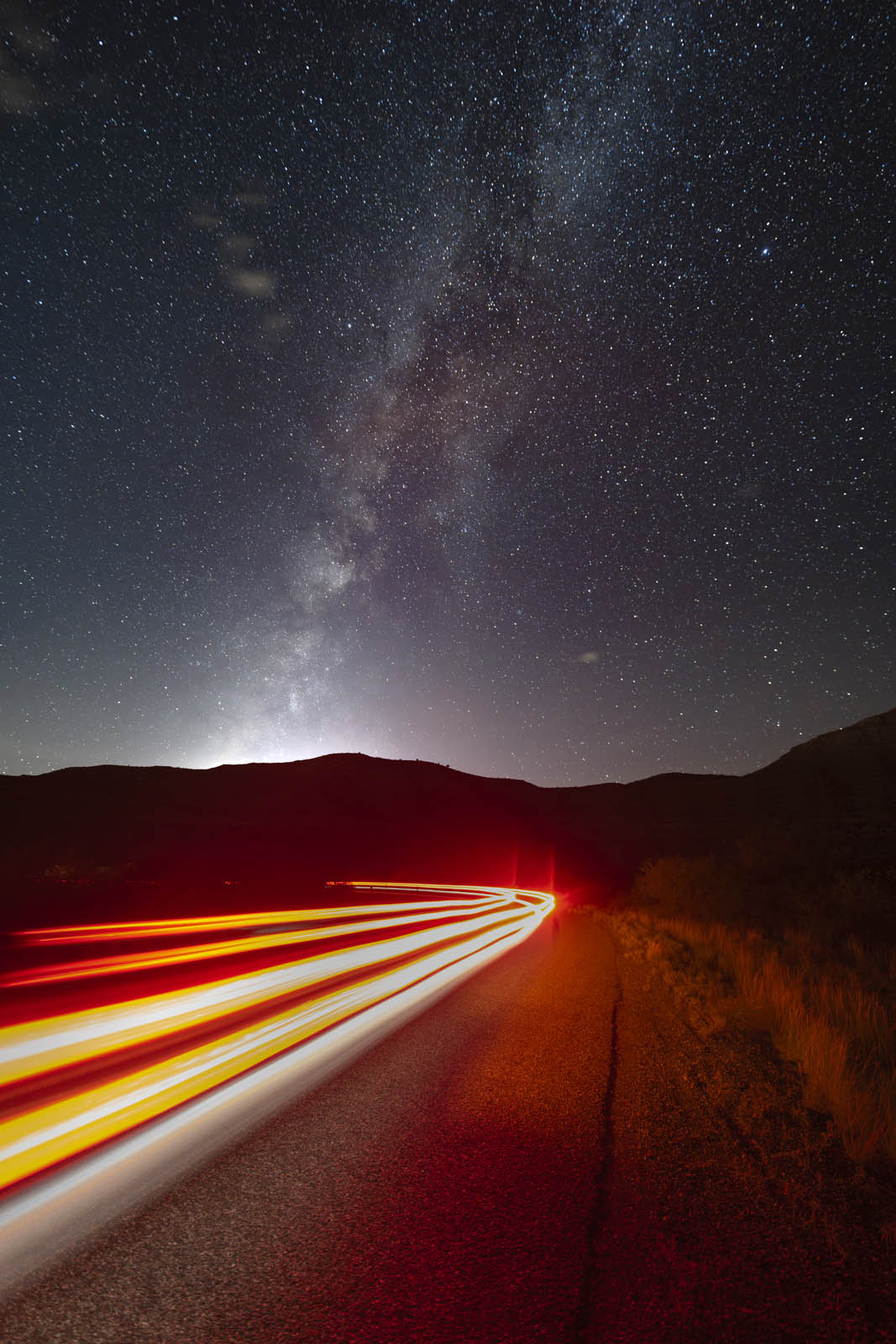
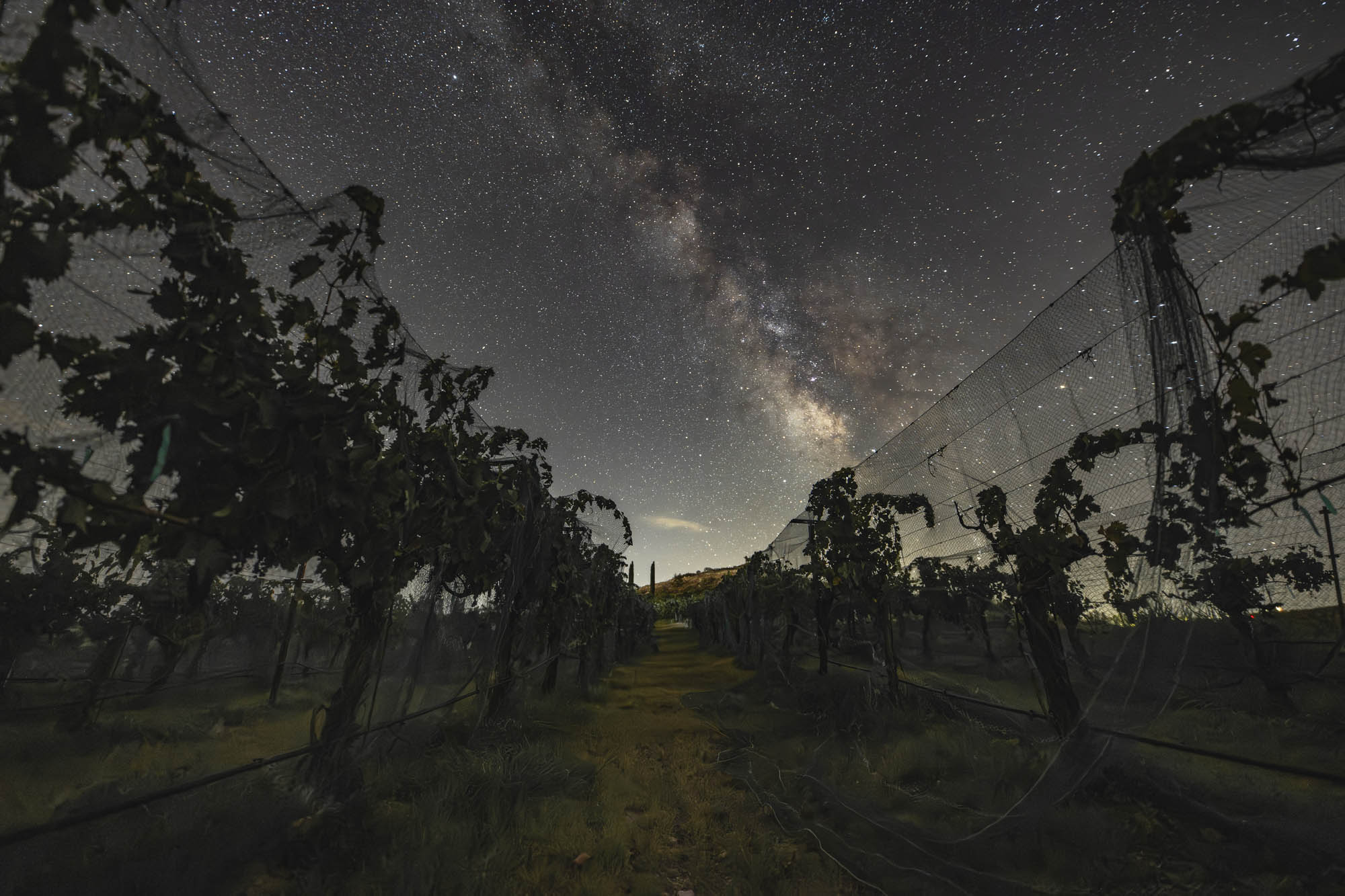
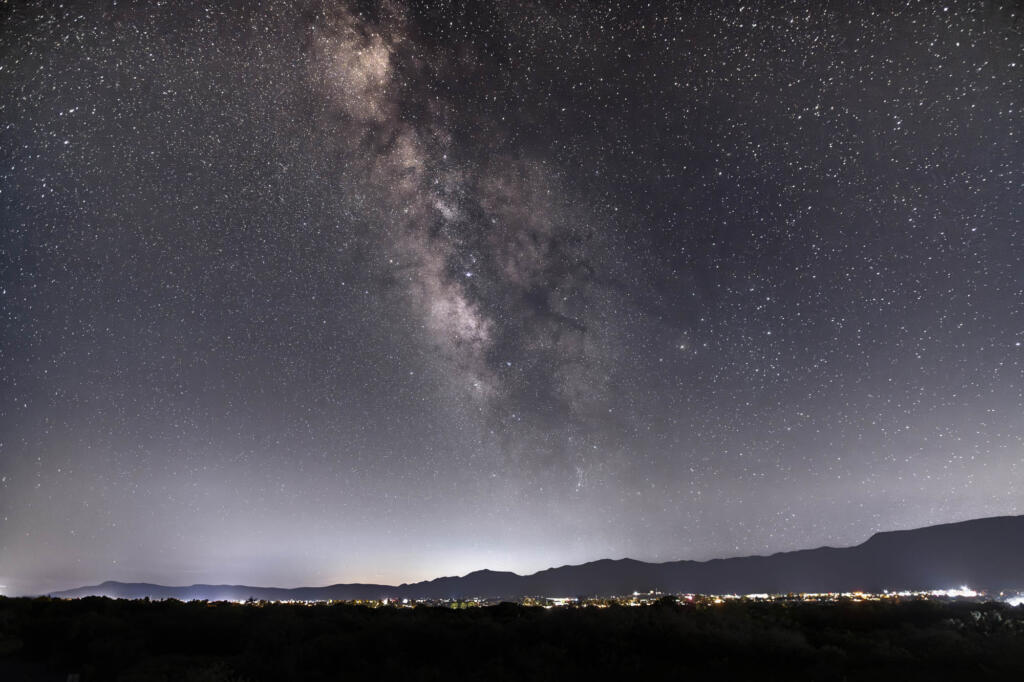
Cottonwood is a spellbinding destination for losing yourself in the celestial quiet. Minimal light pollution, clear Arizona air, high elevation, low humidity, and unobstructed views establish the framework for a luminous escape into the wonders of the cosmos. Like a silver ribbon, the river of stars stretches across the sky while every vantage point invites you to pause, look up, and fade into the brilliance overhead.
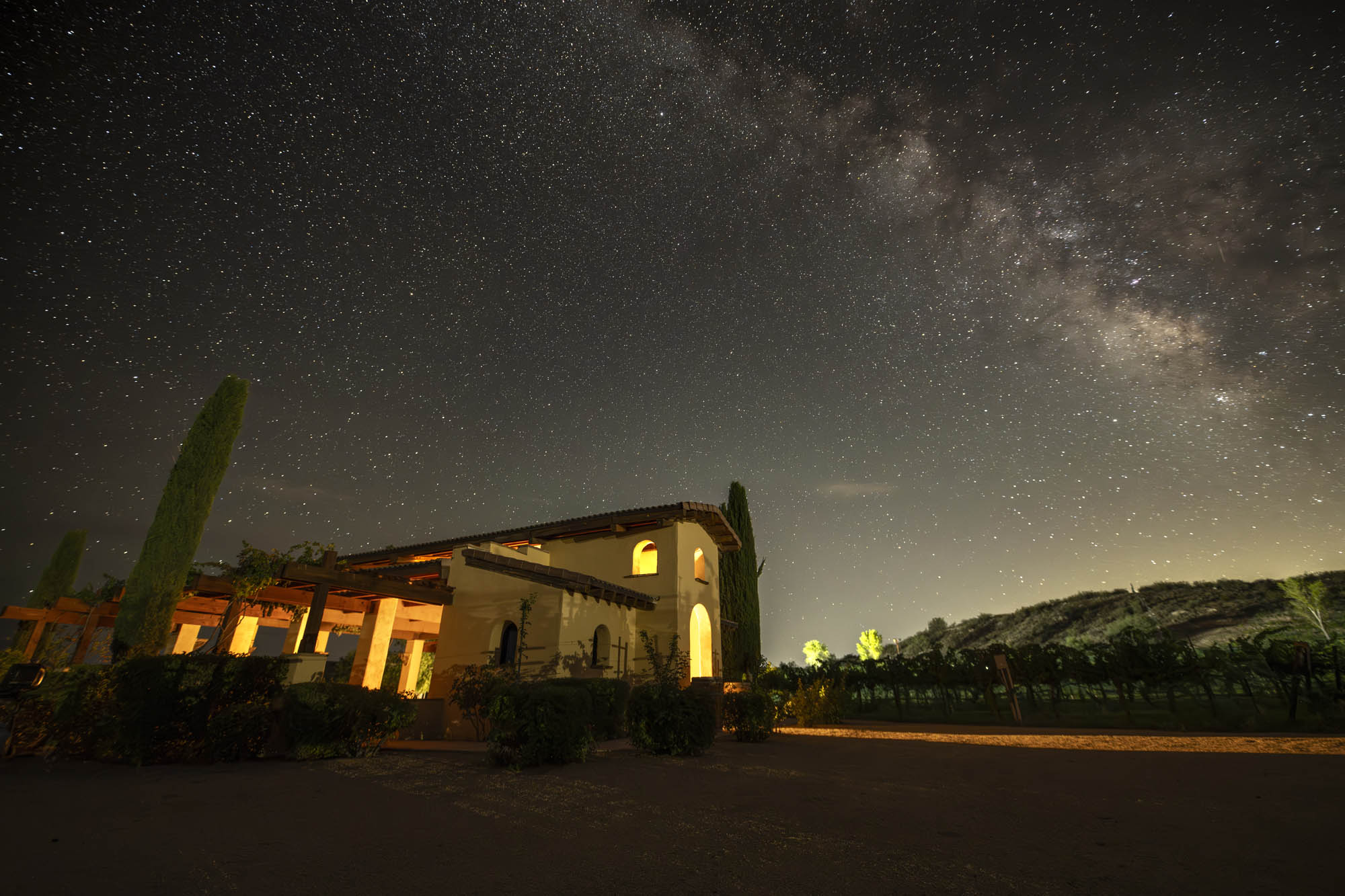
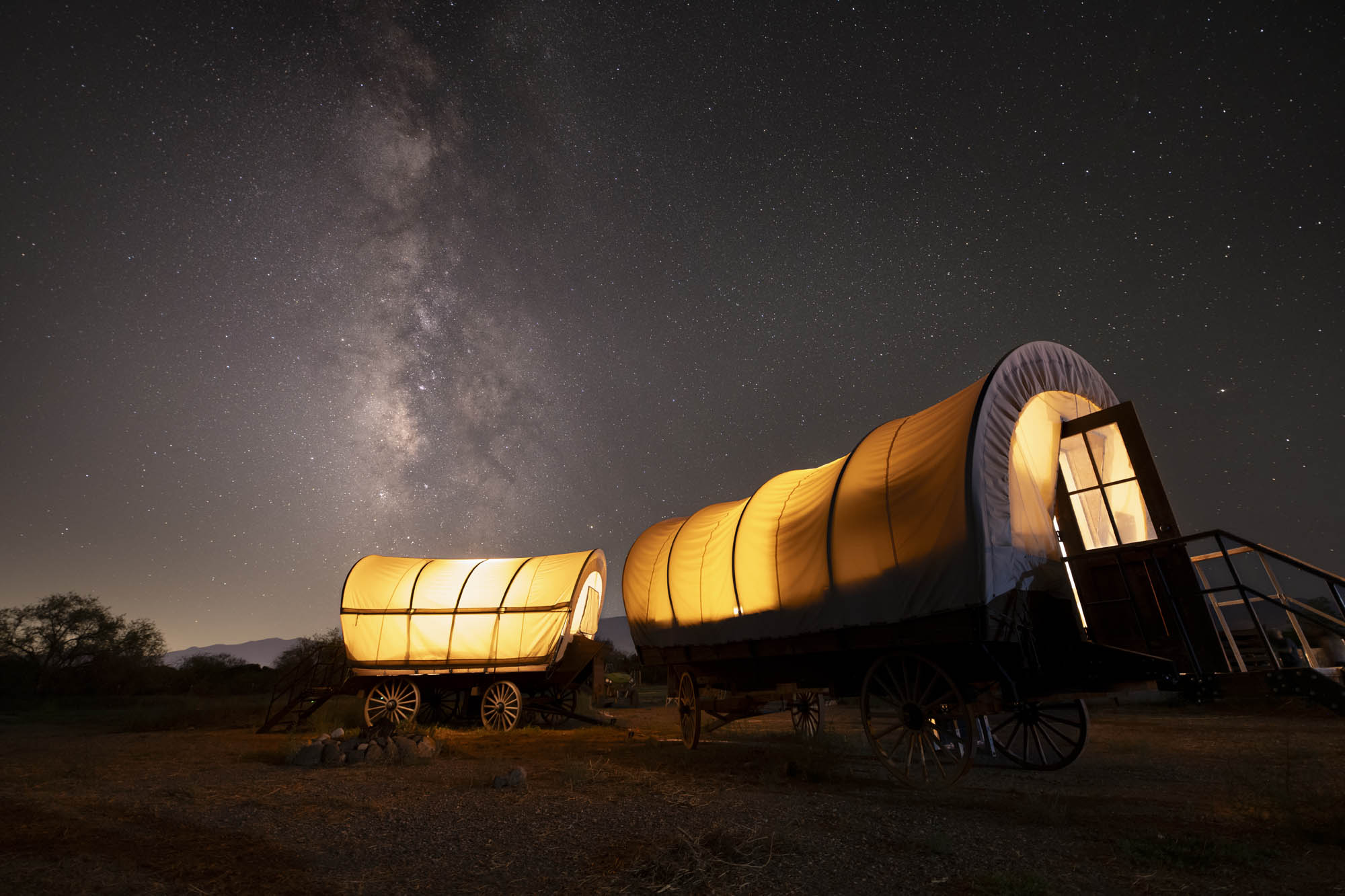
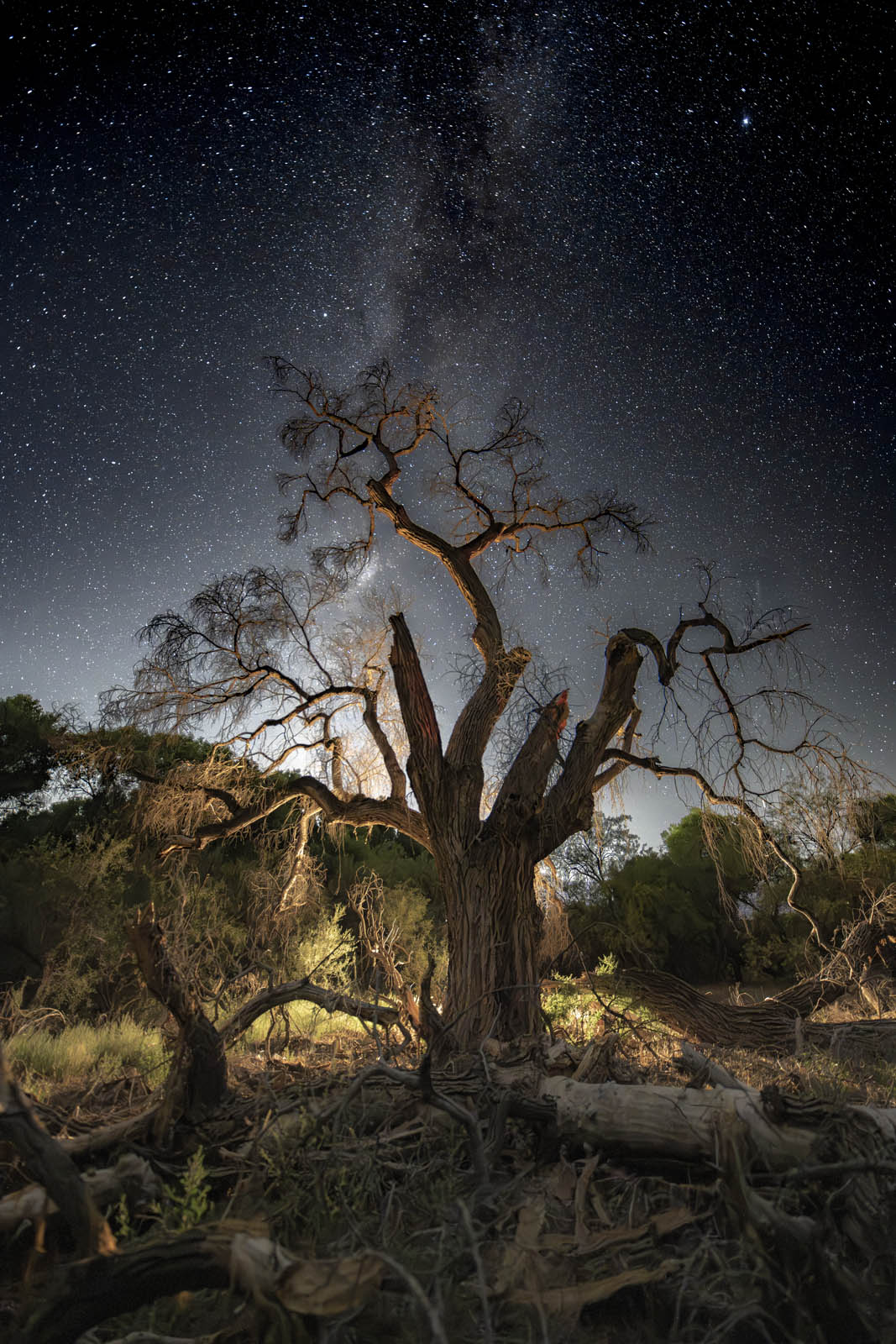
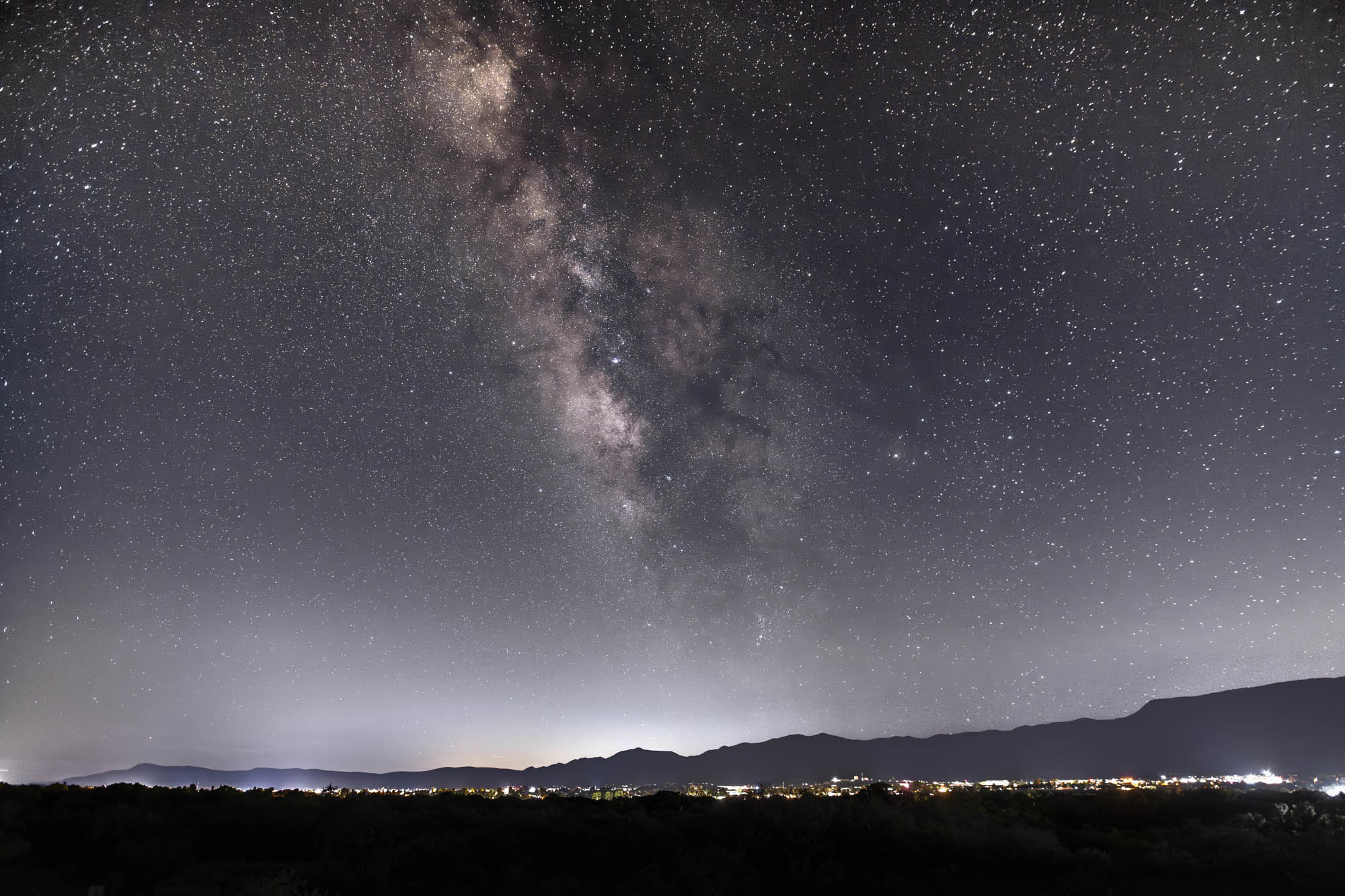
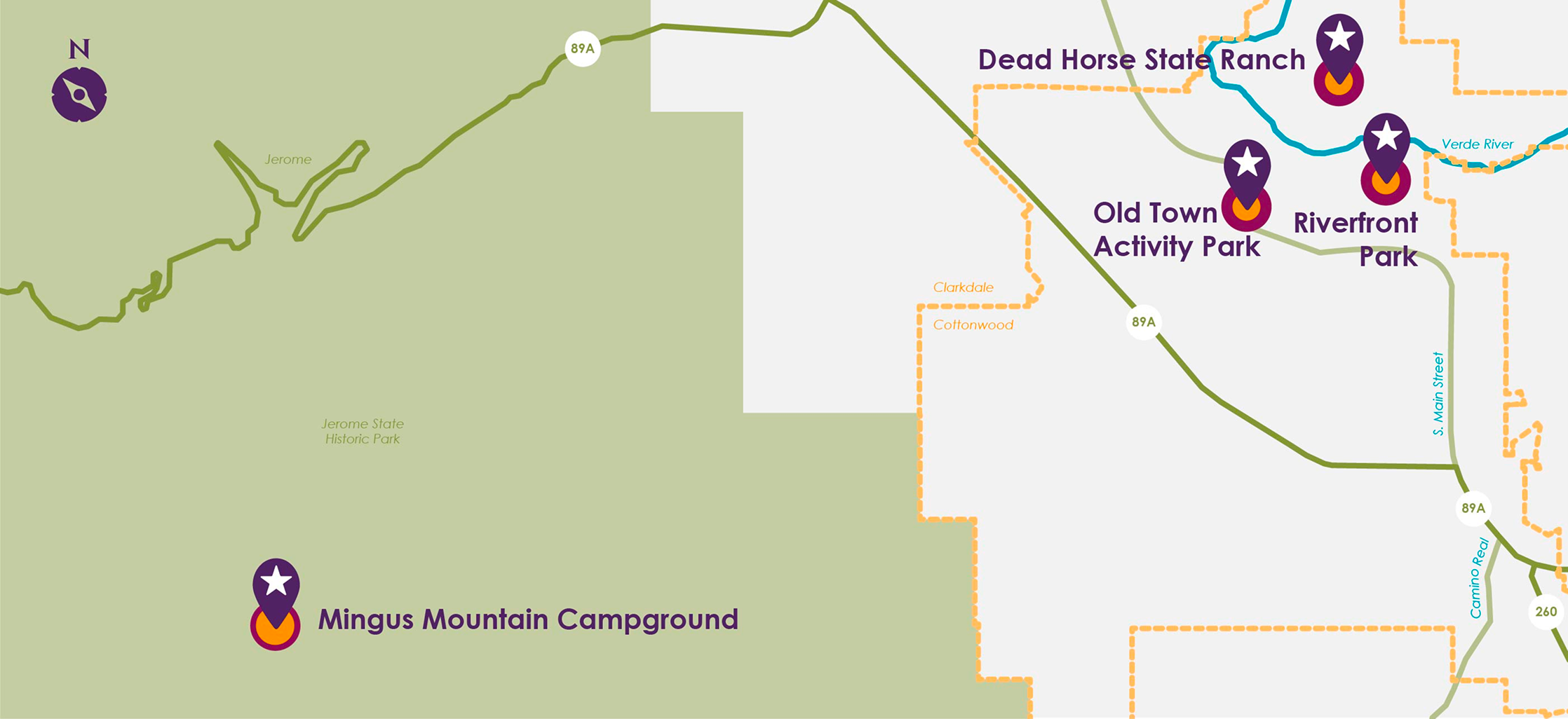
WHERE TO STARGAZE IN COTTONWOOD
STARGAZING TIPS

Give your eyes at least 15 minutes to adjust to the dark.

Bring binoculars for detailed sky views.

Use red light to preserve night vision.

Bundle up to stay comfortable beneath the stars.

Avoid stargazing during full moons.

Utilize a planisphere or stargazing app as a cosmic compass, guiding you through constellations and the endless sky.
KEEPING OUR SKIES DARK AND STARS BRIGHT
Cottonwood’s night skies are a treasure worth protecting. In locations around the world, light pollution has dulled the night sky, fading constellations that once gleamed clearly. Here, the dark sky remains, a reminder of how rare true darkness has become, and how vital it is to preserve this precious resource.
Artificial light does more than dim the Milky Way. It disrupts the circadian rhythms of not just people but plants and wildlife. When nights stay bright, sleep cycles shift, risks to mental and physical health increase, ecosystems falter, and nocturnal species experience disrupted natural behaviors.
DARKSKY INTERNATIONAL’S FIVE PRINCIPLES FOR RESPONSIBLE OUTDOOR LIGHTING
In 2019, DarkSky International, a nonprofit organization dedicated to preserving the nighttime environment and reducing light pollution, designated Cottonwood as an International Dark Sky Community, making it only the 23rd community in the world to earn this highly sought-after distinction.
Follow these five principles to keep Cottonwood rich with visible stars:
-
1
Useful
Use light only if it is needed
All light should have a clear purpose. Consider how the use of light will impact the area, including wildlife and their habitats.
-
2
Targeted
Direct light so it falls only where it is needed
Use shielding and careful aiming to target the direction of the light beam so that it points downward and does not spill beyond where it is needed.
-
3
Low Level
Light should be no brighter than necessary
Use the lowest light level required. Be mindful of surface conditions, as some surfaces may reflect more light into the night sky than intended.
-
4
Controlled
Use light only when it is needed
Use controls such as timers or motion detectors to ensure that light is available when it is needed, dimmed when possible, and turned off when not needed.
-
5
Warm-colored
Use warmer-color lights where possible
Limit the amount of shorter wavelength (blue-violet) light to the least amount needed.
STARGAZING & CAMPING ETIQUETTE
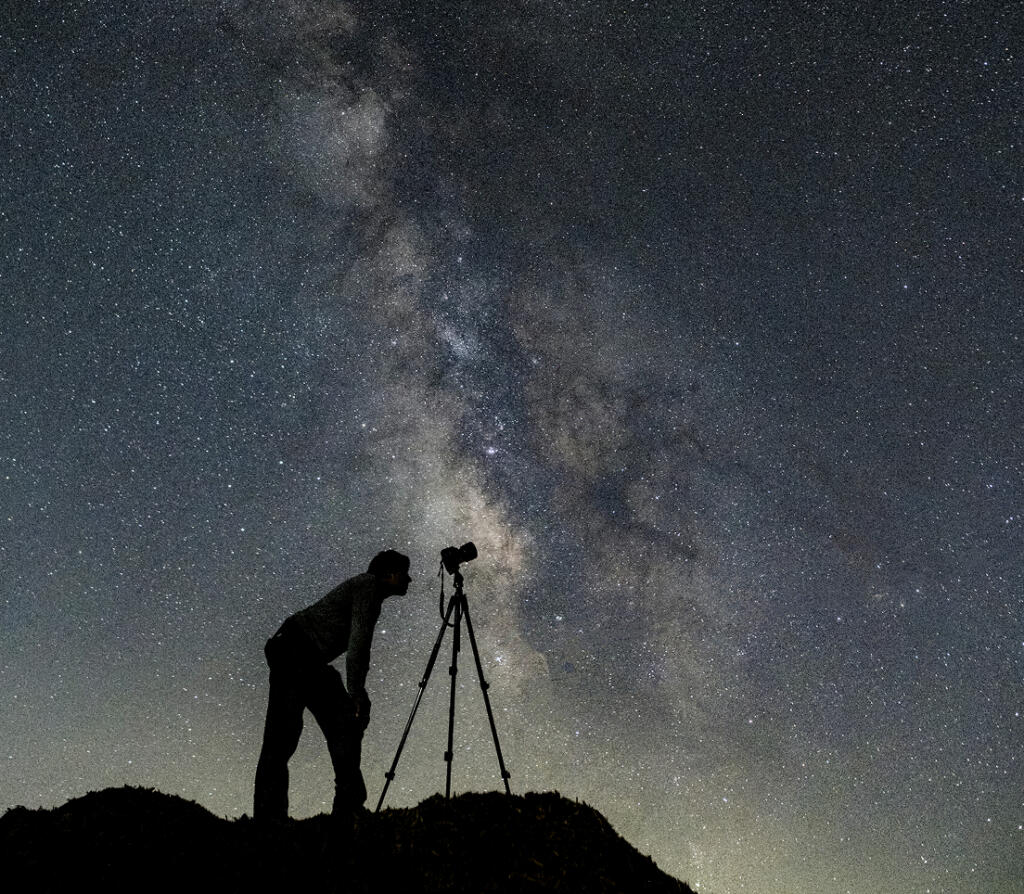
Drifting off beneath a sky full of stars is one of the Verde Valley’s simplest pleasures. Whether you’re camping overnight or settling in for just a few hours, these guidelines help preserve the quiet, darkness, and sense of wonder that make stargazing so unforgettable:
- If camping, avoid arriving early in the morning. If you arrive later in the day, arrange your site before darkness fully falls. Keep any necessary light within your area. On mild nights, enjoy the dark sky in place of building a fire.
- Avoid driving through camping areas after dusk.
- Use red-hued flashlights when extra visibility is needed.
- Keep the noise level low to preserve the night’s stillness.
- Minimize light use. Only use your phone’s light or screen if absolutely necessary.
- Follow Leave No Trace principles by leaving each location as you found it and packing out all waste.